%20copy.png?width=5697&height=1307&name=sign%206%20copy%20(1)%20copy.png "sign 6 copy (1) copy")


Whether it’s a desire to be more eco-friendly or simply a need to reduce motor running costs, more and more people are switching to electric vehicles. No longer a novelty, they’re increasingly commonplace on UK roads and with the Government’s drive to reduce greenhouse gas emissions to zero by 2050 their numbers are set to increase further.
But when it comes to electric car insurance, there are a few important differences worth understanding before you make the switch.
Here’s what you need to know about UK electric car insurance and how to avoid unexpected costs.
EVs Can Be More Expensive To Insure
Understandably drivers are concerned about how much it will cost and one of the most common questions they ask is are EVs more expensive to insure? At least for now, the answer is yes, although that may change as EVs eventually outnumber petrol and diesel vehicles.
The main reason lies in the battery. EV batteries can cost several thousand pounds to repair or replace, and not all insurers have easy access to specialist repair networks. Because of this, insurers price that additional risk into the premium.
According to Aviva, this higher cost is often balanced by lower servicing needs and a smaller number of moving parts, but you should still expect premiums to sit slightly above those for comparable petrol or diesel cars.
Repair Options Can Be Limited
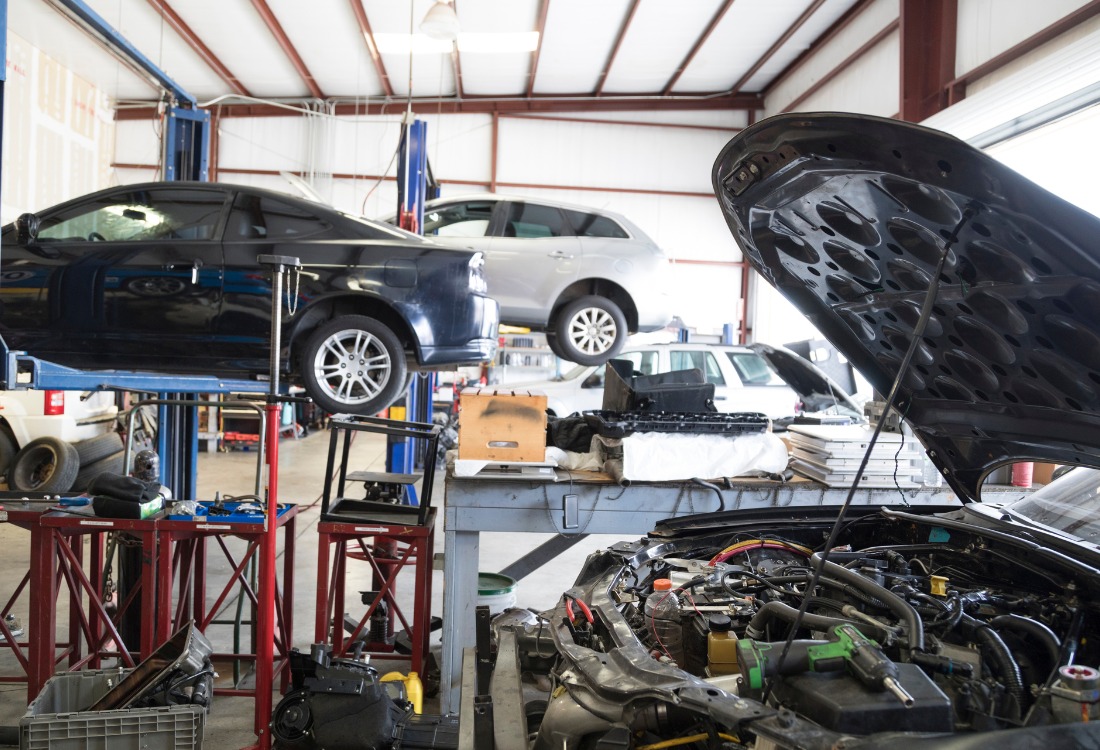
Unlike traditional cars, EVs can’t be repaired just anywhere. High-voltage systems require trained technicians and accredited facilities.
Some insurance providers may therefore restrict cover to approved EV repair centres, meaning you have fewer choices if your car is damaged. Using a non-approved garage could invalidate parts of your cover or delay repairs, since EV components may need to be sourced through specialist suppliers.
This is why it’s worth checking whether your insurer partners with a manufacturer-approved or insurance-approved repair centre such as Evolve ARC. Working with a car accident claims management company can also make the entire process faster and smoother.
Breakdown Cover Works Differently For EVs
Running out of charge isn’t like running out of petrol and you can’t simply walk to the nearest garage and grab a quick refill. Similarly, not all breakdown providers can assist immediately - some will tow you, others can recharge you at the roadside.
Both the RAC and AA offer dedicated EV breakdown cover, including portable charging units and flatbed recovery to protect your battery and drivetrain. Make sure your policy includes EV-specific assistance rather than a generic breakdown add-on.
Courtesy Cars Aren’t Always Included
If your EV is off the road following an accident, don’t assume you’ll automatically receive a courtesy vehicle. Some insurers exclude this unless it’s stated clearly in your policy.
Since many courtesy cars are petrol or diesel models, check whether your insurer can provide a like-for-like EV replacement. This ensures you stay mobile and able to charge your vehicle if you have a charger at home or at work.
Making The Switch Confidently
Thirty years ago, electric cars were a rare novelty but as more people embrace them, they represent the future of driving. Before you do, though, it pays to understand the details before switching. Reviewing your car insurance for EVs, confirming repair network coverage and checking breakdown and courtesy car terms will help you avoid surprises later.
If you’ve already made the switch, ensure your EV stays in expert hands. Get in touch today to book your EV accident repairs with our insurance-approved specialists.

Image Source: Canva
Share this

Six Factors That Determine Insurance Costs After An Accident

No-Fault Accident Car Insurance: Common Questions Answered
No Comments Yet
Let us know what you think